
Coun Kelvin Wright Column: How war in Afghanistan still resonates with me 25 years on
On 11th September, 2001, the world changed.
Al Qaeda launched a series of devastating attacks against the United States, including the destruction of the Twin Towers and the loss of thousands of lives.
The following day, the US invoked Article 5 of NATO – the principle that an attack on one member is an attack on all.
NATO formally ratified the declaration on 2nd October, 2001, the first and only time Article 5 has been invoked.
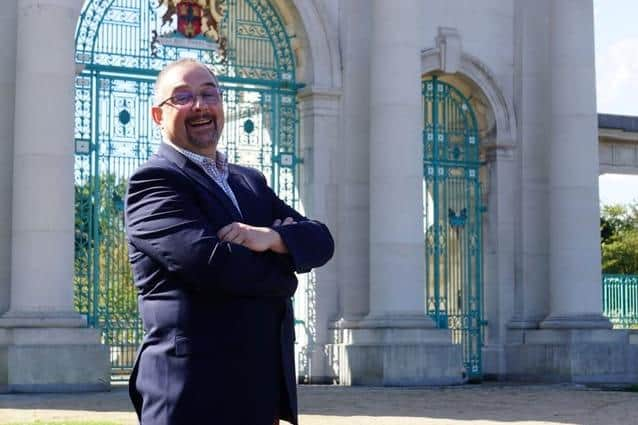

Twenty-five years on, those events still resonate with me personally.
At the time, my own military journey had not even begun.
Like millions of others, I watched the horror of 9/11 unfold with disbelief.
I was completing my specialist training in emergency medicine and had no idea that, within a few years, I would be treating some of the casualties of the conflict that followed.
By 2009, I was working at a Ministry of Defence hospital unit in the south of England, responsible for emergency medicine training and working with military doctors.
Operation Panther’s Claw brought the reality of Afghanistan much closer.
At the end of 2009, I signed on the dotted line and began my own military journey.
The first challenge was fitness. I was significantly overweight and had not run properly since school.
I lost 30kg, got my running time down to the required standard and, somewhat nervously, arrived at Sandhurst in early 2011 for the Reservists’ commissioning course.
Being at Sandhurst in my early 40s was an extraordinary experience.
Our Colour Sergeant was a paratrooper with an impressive military career who later became the Academy Sergeant Major.
He led from the front, demanded the highest standards and could outrun most of us.
I was incredibly proud to return to Sandhurst years later as a Colonel for a passing-out parade – coincidentally, the final parade he led.
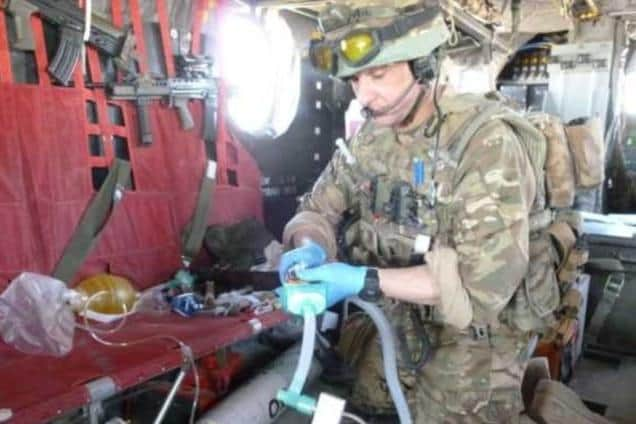
My first deployment to Afghanistan was with the Medical Emergency Response Team – MERT. We flew by Chinook, escorted by Apache helicopters, to retrieve casualties.
As a doctor, I worked alongside two RAF paramedics and a nurse, supported by RAF Regiment personnel providing force protection.
This was probably some of the most ‘in your face’ medicine I have ever practised and being part of this team was an honour and a privilege.
Not only did our RAF force protection keep us safe but, in-flight, they turned their hands to assisting as we worked on the casualties.
I was truly struck by how these young men handled the situation, given I see many health professionals struggle in the same setting.
I later returned to Afghanistan to run the emergency department at Camp Bastion. Leading that multinational team of British, American and Danish personnel was another enormous privilege.
The experience changed me.
It also showed me how much modern trauma care was learned from the extraordinary work carried out in Afghanistan.