
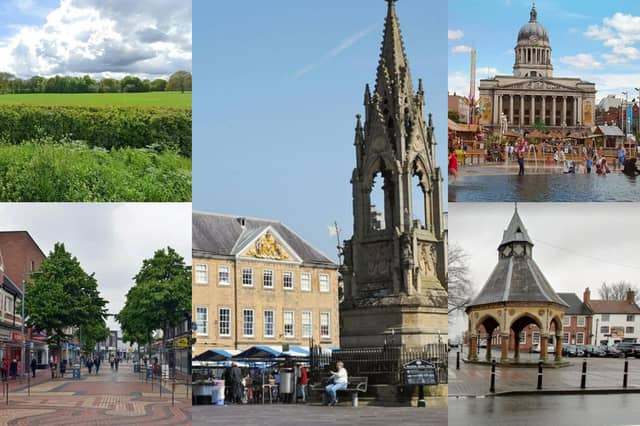

When it comes to British place names, Anglo-Saxon origins tend to dominate in the south and Scandinavian languages in the North, mixed in with Old British or Celtic terms for natural features such as hills and rivers.
Nottinghamshire still shows the influence of all three factors in the names we find today.
Often towns and villages share common endings such as -tun (settlement), -ham (homestead), -feld (farmland), -by (village), -caester (Roman stronghold), -worthig (enclosure), -dun (hill), -halh (nook of land) – but these usually follow a first element which is much harder to define, especially when a personal name is concerned.
The famous Domesday Book – a land survey commissioned by William the Conqueror and completed in 1086 – shows Nottinghamshire names which have been modernised, but otherwise changed very little in all that time.
To understand where they came from, we went looking in the Oxford Dictionary of British Place Names.
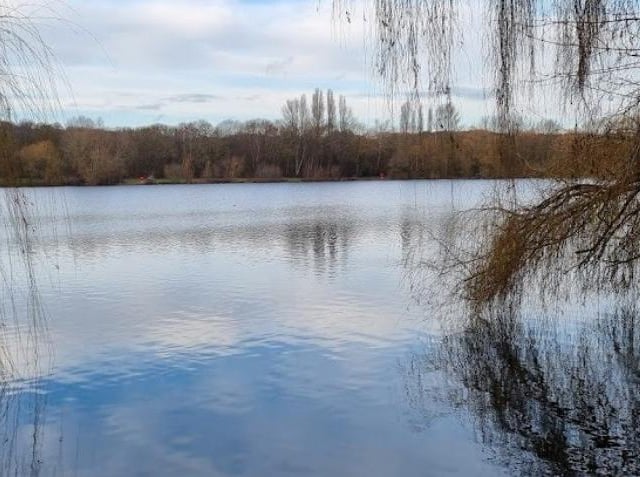
21. Colwick
The place name literally means "building where charcoal is made or stored," from the Old English word "col" + "wic." Photo: Google
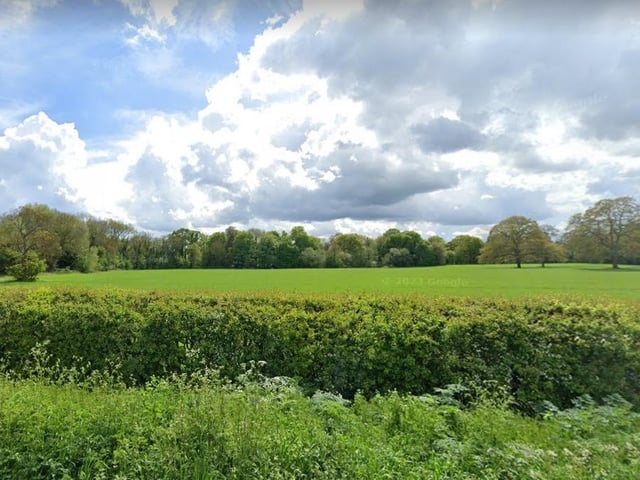
22. Tollerton
Tollerton was regarded as a "toll town;" and that is where the name derives. The early spelling of 972, Toletun, and the popular pronunciation give support to this derivation of the name. It became Tolerton, a form still existing in a family name, and finally Tollerton in around 1573. Photo: Google
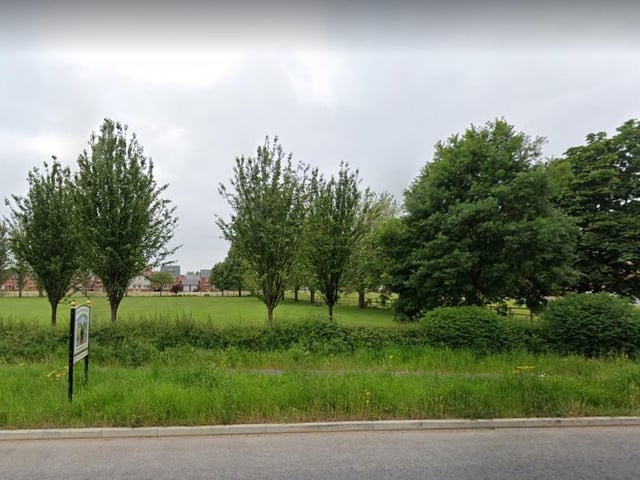
23. Ruddington
Its name originates from the Saxon term 'Rudda' - meaning headman, the chief or leader of a tribe or community. Photo: Google
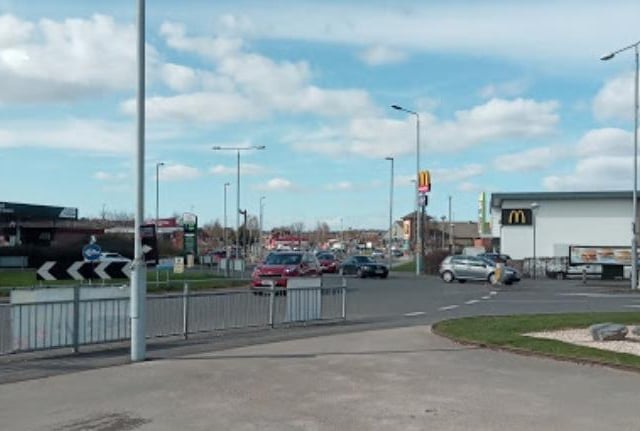
24. Netherfield
'Nether' means 'below, under or beneath' or, sometimes, 'low-lying'. So, just as Holland is known as the Netherlands because of its low-lying land, Netherfield comes from an old field name that also means 'land that is low-lying.' Photo: Google Maps