
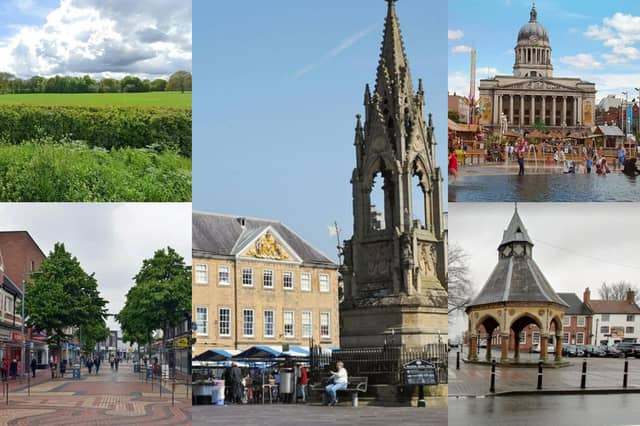

When it comes to British place names, Anglo-Saxon origins tend to dominate in the south and Scandinavian languages in the North, mixed in with Old British or Celtic terms for natural features such as hills and rivers.
Nottinghamshire still shows the influence of all three factors in the names we find today.
Often towns and villages share common endings such as -tun (settlement), -ham (homestead), -feld (farmland), -by (village), -caester (Roman stronghold), -worthig (enclosure), -dun (hill), -halh (nook of land) – but these usually follow a first element which is much harder to define, especially when a personal name is concerned.
The famous Domesday Book – a land survey commissioned by William the Conqueror and completed in 1086 – shows Nottinghamshire names which have been modernised, but otherwise changed very little in all that time.
To understand where they came from, we went looking in the Oxford Dictionary of British Place Names.
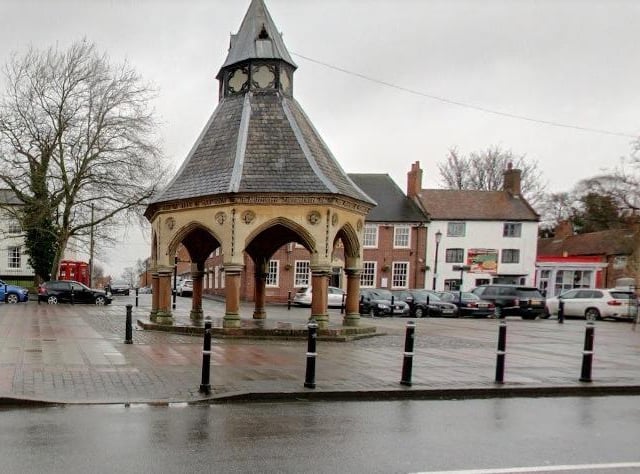
17. Bingham
The area was called Byngehamshou Hundred by the Anglo-Saxons and Binghamshou Wapentake by the Danish. It would also have been called Bynnaingham, then Bynningaham, and later morphed into Byngeham. This name comes from the chief of the Angle tribe that settled the town, named “Bynna”, followed by the connective “ing” meaning “of”, and “ham” meaning “homestead”. Photo: Google Maps
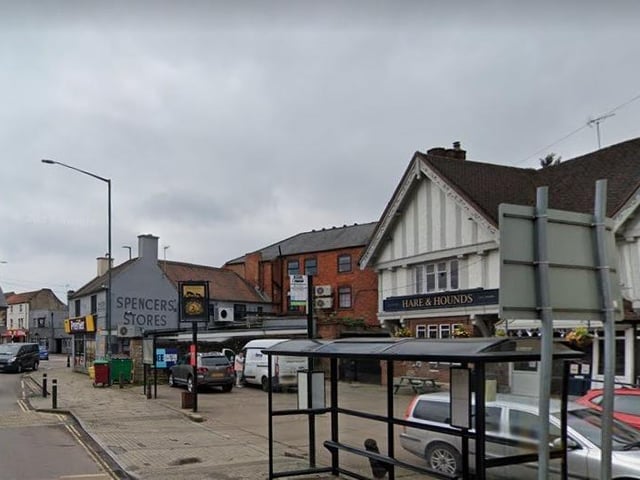
18. Warsop
The name was first recorded in the Domesday Book as "Wareshope," and thought to derive from the Old English name "Woer" and "hop," meaning an enclosed valley. Photo: Google
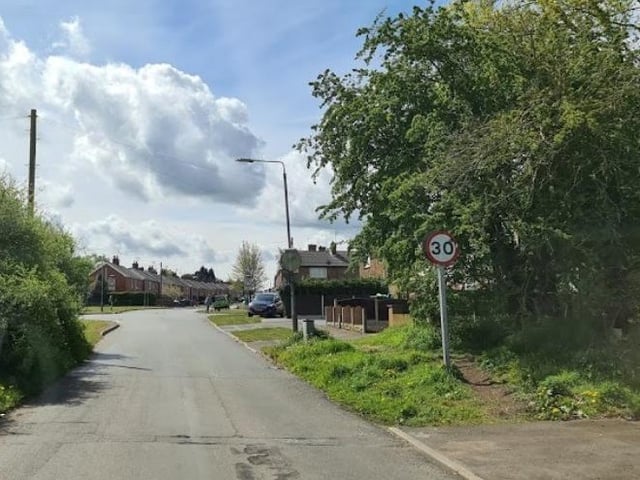
19. Ollerton
Ollerton, originally known as Alreton or Allerton, means 'farm among the alders'. Photo: Google
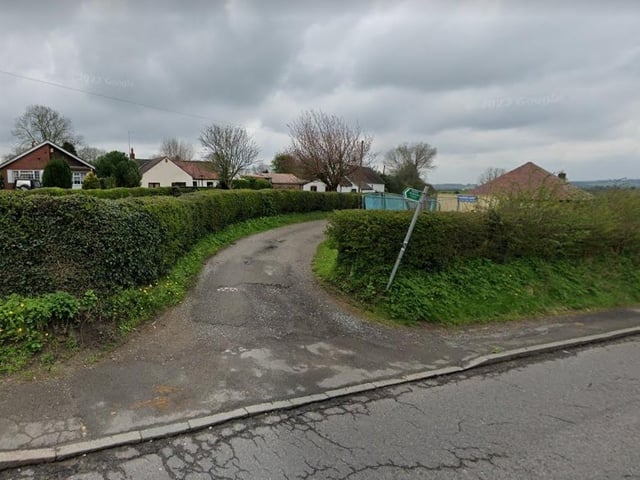
20. Selston
It was recorded as Salestone in the Domesday Book and previously known as Salistune. Little is known about the origin of the name but the book says 'there is a church and three acres of meadow' and from earliest times agriculture was the main occupation. Photo: Google Maps