
Nottinghamshire Council hoping to make more than £200,000 extra in new parking charges
Nottinghamshire Council is hoping to make more than a £200,000 extra a year from introducing new parking charges at County Hall in West Bridgford..
The plans, which were announced by the authority on January 9, are part of the council’s plans to generate income using its assets and documents say its County Hall site ‘has seen an increase in usage’ in the last 12 months with more staff returning to the office.
Previously, the car park was controlled by a barrier but this was removed due to instances where it failed, causing traffic to back up to Loughborough Road at peak times.
County Hall’s car park is also used in the evenings by the general public for access to the riverside, but the authority says it has seen an increase in ‘fly parking’ by non-council staff working in the area due to recent parking restriction changes in West Bridgford.
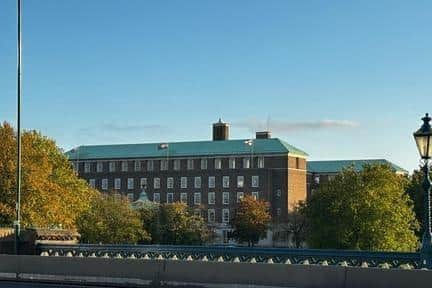

Now, the authority wants to manage the car park by installing Automatic Number Plate Recognition (ANPR) cameras at the site.
It estimates an ‘assumed 70 per cent occupation rate’ of the up to 120 spaces identified could make the council an extra £230,000 each year.
Part of the plans also include using a part of the car park as a designated Park and Ride facility for East Midlands Airport for the Skylink shuttle bus.
A range of different parking fees have been put forward, with a £7.50 fee for day park and ride or general public parking, a £3 fee for two-hour parking after 6pm – increasing to £7.50 above two hours – and a £10 day charge for sports events.
Parking for staff, councillors and visitors would remain free.
Conservative opposition leader Coun Sam Smith said: “Reform’s decision to cling on to County Hall is costing Nottinghamshire taxpayers around £2m every single year in maintenance, with a projected bill of £50m over the long term.
“It is little surprising that, having made such an expensive choice, they are now scrambling to squeeze income from residents – including plans to charge for parking.”
Coun Smith added the improvements to the airport shuttle were ‘welcome’ but said it ‘remains unclear’ how much taxpayer money will be used for the new parking system and is concerned it will ‘push’ cars onto West Bridgford residential streets.
He continued: “Before any charging is introduced, the council must carry out rigorous assessments and put robust mitigation measures in place to prevent residential areas becoming congested with parked cars.
“Residents should not be left paying the price for Reform’s costly decisions.”
Coun James Walker-Gurley (Ref), cabinet member for economic development and asset management at the council, said in a statement: “It seems that Coun Sam Smith isn’t up to date with modern technology, because the outlay is not concerning, as the tech involved is all app-based.
“It’s a couple of cameras, some signage, and an iPad, basically.
"We are choosing smart investment over service cuts to keep our community strong.”
“This is Premier League performance for local government, using elite tech to get the absolute best results for our residents and the project delivers a massive return in its first year, with a final business case being approved by officers.”
Coun Penny Gowland (Lab), who represents West Bridgford North said: “I think it’s great, they’re using, stretching and flexing their assets to get money – it should have been done before.”
Coun Gowland said the council could be being ‘over-optimistic’ in people parking after 6pm but says she does not think the new charges will cause displaced parking in the town.
She added: “I think it’s valuable, it may increase the use of buses into the city and anything they can do to make use of any resource we have is good.”
The authority currently makes an average of £110,000 a year through its car park and the changes are part of a wider plan for the council to make more than £392,500 from its assets from late spring 2026 until March 2027.
During this time, the council hopes to make up to £60,000 by reviewing rent and lease arrangements of council-owned land, including industrial units and farm tenancies, along with installing parcel lockers at council sites such as libraries, bus stations and car parks.