
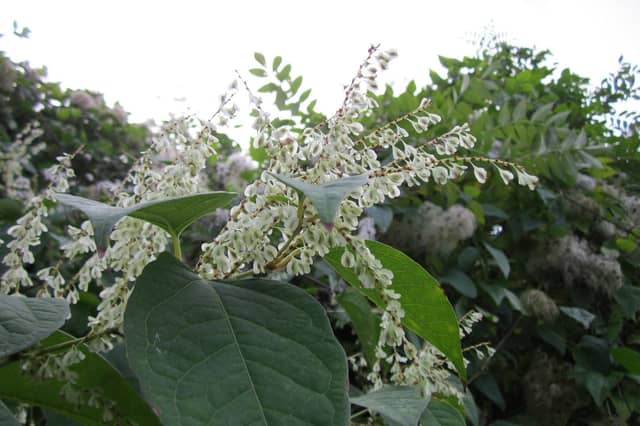

Japanese knotweed first arrived in UK in the Victorian times in a box of plant specimens delivered to Kew Gardens and was quickly adopted by gardeners and horticulturalists, who were unaware of its invasive nature.
Knotweed begins to emerge in early spring and can pose serious problems for homeowners, with underground rhizomes that can grow up to three metres deep and spread up to seven metres horizontally, emerging through cracks in concrete, tarmac driveways, pathways, drains and cavity walls.
While serious damage to property, it can cause legal disputes between neighbours and reduce a property’s value by approximately five per cent.
A 2023 DEFRA report put the cost of tackling knotweed to the UK economy at nearly £250m a year.
Environet uses its online tracker at environetuk.com/exposed-japanese-knotweed-heat-map to map outbreaks of Japanese knotweed around the UK.
Here is the top 10 countdown for Nottinghamshire’s Japanese knotweed outbreaks.
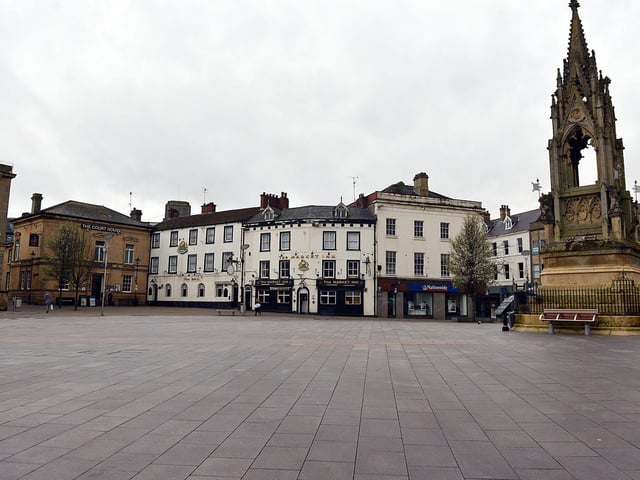
9. Much smaller crowds in Mansfield.
In at number two is Mansfield with 228 incidences recorded. Photo: Brian Eyre

10. Nottingham
And a clear number one is Nottingham city itself with 598 incidences. Photo: Submitted