
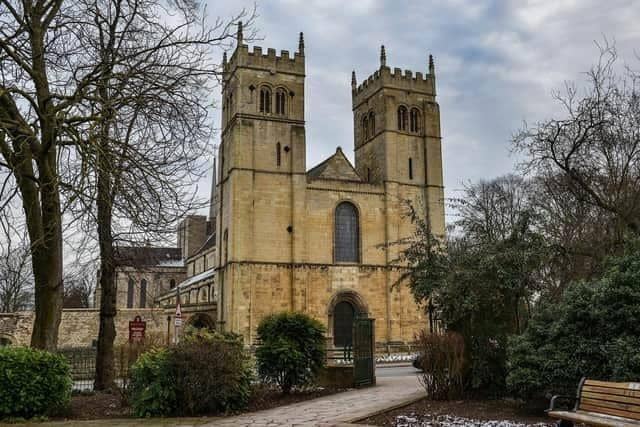

Discover the historical landmarks in the Worksop area, from remnants of the past to beautiful nature spots.
Where is your favourite place to go and why?
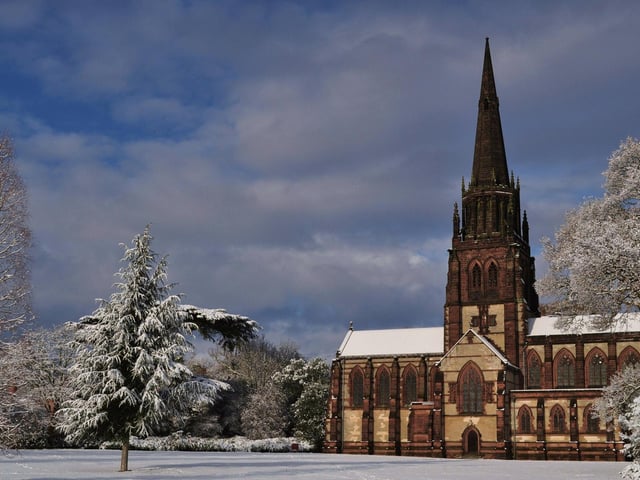
5. Clumber Park
Clumber Park is a popular destination for both locals and visitors. Clumber Park was once the country estate of the Dukes of Newcastle. Although Clumber House was taken down in 1938 following a series of damaging fires, there are many glimpses of its grand past to explore, including the Duke’s Study (the last remaining room of the house), the Laundry Yard, Turning Yard, the Lincoln Stables, the Chapel of St Mary the Virgin and the walled kitchen garden. The site is managed by the National Trust. Photo: Janet Pickersgill
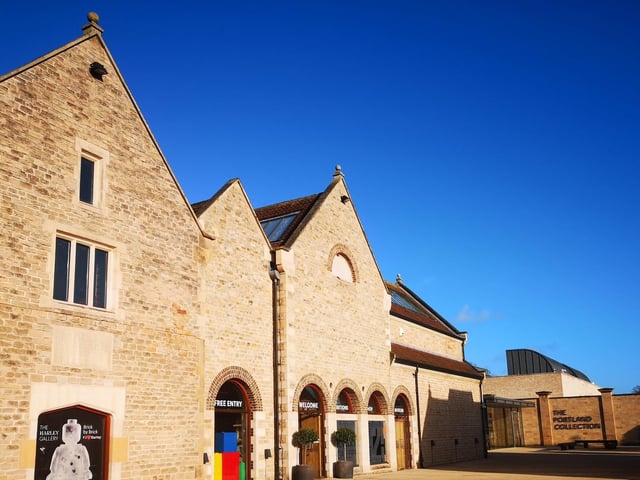
6. The Welbeck Estate
The Welbeck Estate is a historical landmark located within 15,000 acres of forest and rolling hills in North Nottinghamshire. At the heart of the estate is Welbeck Abbey, which was founded as a monastery in 1153. After the Dissolution of the Monasteries, the Abbey was purchased by Sir Charles Cavendish, the youngest son of Bess of Hardwick. It remained in the family and served as the country seat for a succession of Dukes of Portland. The estate features various attractions for visitors, including popular walking trails, the Harley Foundation, The Portland Collection, the Welbeck Abbey Brewery, and The School of Artisan Food. Photo: Harley Gallery
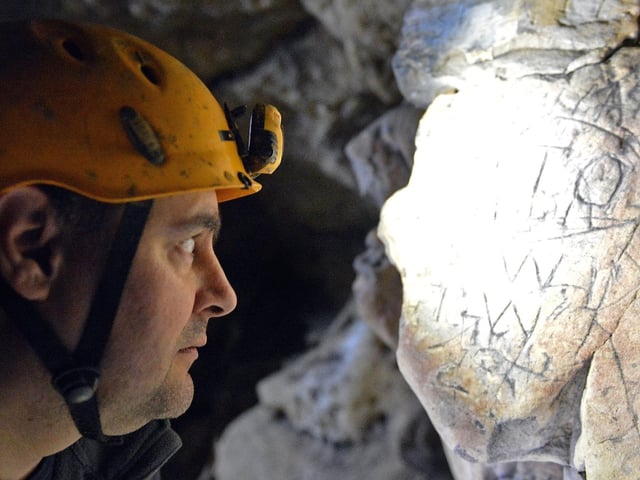
7. Creswell Crags
Creswell Crags is an archaeological prehistoric museum in a limestone gorge, caves and fissures, with prehistoric tools and art. The site is located in Creswell, Worksop, and is thought to be home to examples of the oldest verified cave art in the UK. Archaeologists have been excavating these caves since the 19th Century, when the Victorians first discovered the artefacts that lay beneath the cave floors. The site offers cave tours and educational resources for schools. It is a site of Special Scientific Interest. Photo: Brian Eyre
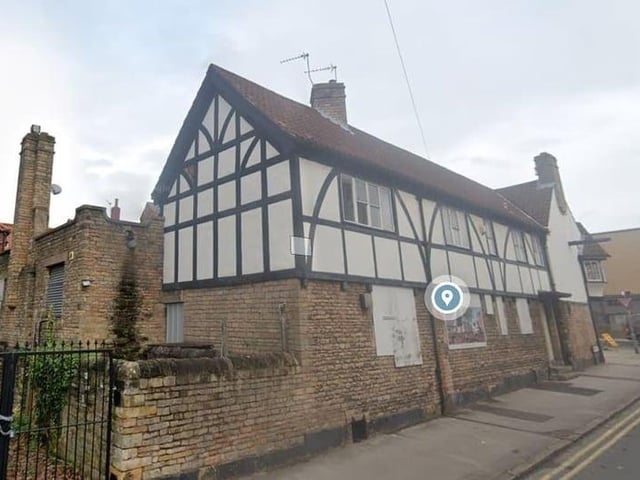
8. The Old Ship Inn - Grade II*-Listed
The Old Ship Inn on Bridge Street is a prominent grade II-listed late 16th Century inn with some unusual interior features including a spiral oak staircase and decorative plasterwork. The plan of the original building was restored in 1938 and it is timber framed, rendered, with pantile roofs and garrets. In 2024, the former pub was added to Historic England's 'heritage at risk' list. Photo: Google