
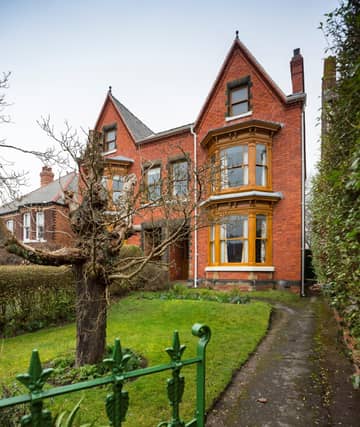

Mr Straw’s House, 5-7 Blyth Grove, Worksop, is a preserved 1920s period home of a grocer's family, virtually unchanged since the Straws moved there in 1923.
Visitors can step back in time and explore the fascinating story of a family who chose to remain unmodernised.
Visitors can enjoy the display rooms, listen to nostalgic stories, and view some of the 30,000 cherished possessions and everyday items left exactly where their owners intended.
The house is open on Thursdays and Fridays from March 6 to October 31, from 9am to 3pm.
It is also open on Saturdays during June and September.
A dedicated team of volunteers conducts a monthly walking tour around Worksop, offering insights into the places where the Straws lived, worshipped, and spent their time.
This tour is perfect for anyone interested in exploring the lives of the family and, in particular, for those who have an interest in the local history of the town.
Admission is by pre-booked, timed self-led tours, and visits are limited to small groups of four people to assist with the property's conservation efforts.
Booking can be made through the Mr Straw’s House website at www.nationaltrust.org.uk/mrstrawshouse.
Admission prices are £9 for adults, £4.50 for children, and free for National Trust members.
Car parking is available in the orchard opposite the house.
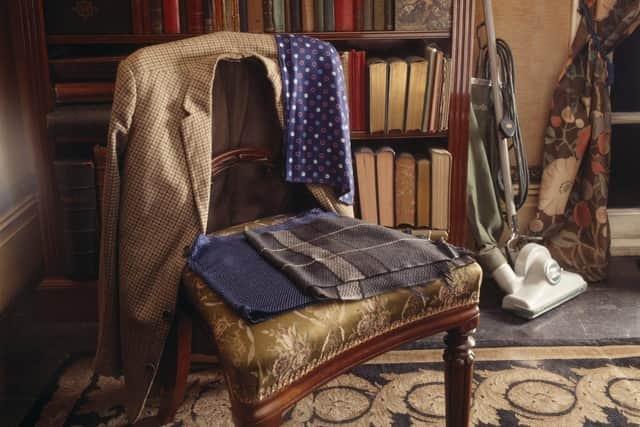
5. Local history
. A true step back in time, discover more about the family who refused to modernise. Photo: National Trust
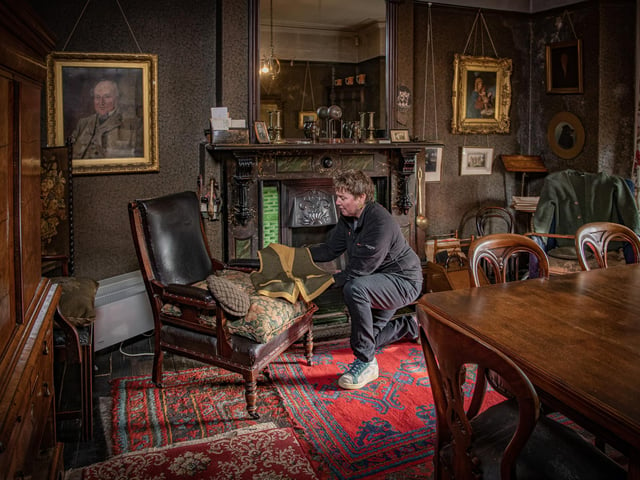
6. National Trust property
Danielle Lander-Brown, collections and house officer in the front dining room back in 2023. Photo: Tony Johnson
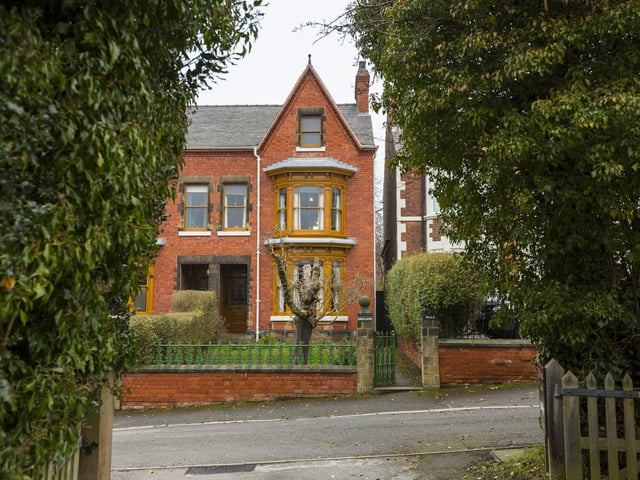
7. Blyth Grove
Here, you can discover how a grocer's family lived in Worksop through their furnishings and household objects. The modest semi-detached house at number 7, Blyth Grove has remained virtually unchanged since the Straws moved here in 1923. Photo: Chris Lacey
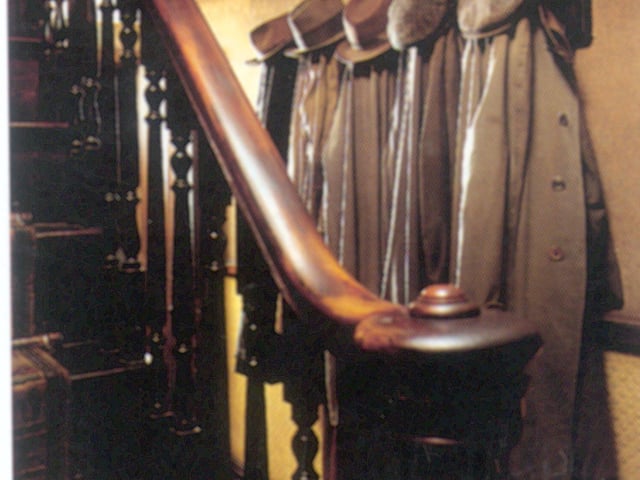
8. Life in the mid-20th century
For over 60 years they threw little away and chose to live without many of the modern comforts we take for granted today. Mr Straw's House (now owned by the National Trust) provides important social document summing up life in the Midlands of England in the mid-20th century. Photo: National World