
Could you spot the signs of mobility problems in your dog?
Most dog owners believe they would recognise if their pet was in pain - but local vets say many owners may be missing the signs, especially when it comes to mobility issues.
New analysis of national veterinary records show that nearly nine per cent of senior dogs have mobility problems[i], but some vets believe the real number may be far higher because many cases go unnoticed for months or even years.
Vets at Orchard Veterinary Centre on 105 Perry Road in Sherwood are warning that dogs aged over seven years and cats aged over eight years often suffer quietly with stiffness, joint pain and age‑related mobility changes that owners simply don’t see. The reason? Pets don’t limp, whine or cry until their pain is severe. Instead, they change their behaviour - subtly.
Julia Barton, Practice Manager, at Orchard Veterinary Centre says: “Mobility issues creep in slowly and owners just think their pet is ‘slowing down with age’.
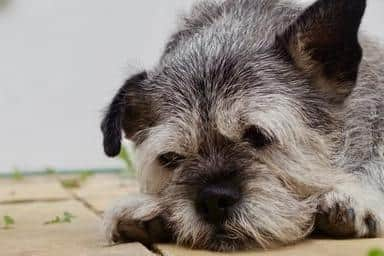

"But in many cases, that pet is uncomfortable every single day. If your dog is sleeping more, hesitating on stairs or losing enthusiasm for walks, that’s not old age – it could be a red flag.”
The behaviour changes owners may easily miss
According to Julia Barton, the top ten most common signs of mobility pain include:
- Taking longer to lie down or stand up
- Reluctance to go for walks
- Slowing down on walks
- Hesitating or refusing to climb stairs
- Struggling to settle comfortably
- Getting up stiffly
- Licking or chewing at joints
- Becoming quieter, grumpier or reactive
- Sleeping more than usual
- Seeming “withdrawn”
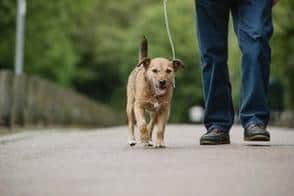
“If a human felt this level of discomfort, they’d say something. But unfortunately our pets can’t. We want owners to trust their instincts.
"So, if your pet’s behaviour has changed, it could be their way of saying they’re not feeling their best,” adds Julia Barton. “Supporting older cats and dogs with mobility issues doesn’t have to be costly or complicated - often, small, inexpensive changes around the home can make a huge difference to their comfort, independence and quality of life.
"Our vets and nurses are here to help advise owners on what to do.”
Orchard Veterinary Centre is running a Geriatric Pets Awareness Campaign to help owners understand the subtle signs their ageing pets may be giving them every day.
In addition to Mobility Issues, the awareness campaign will circulate information on Dental Disease and Lumps & Bumps which are also common in older pets – affecting 13 per cent and 10 per cent of senior dogs respectively.
Dental issues aren’t just cosmetic; smelly breath, red gums, tartar and slow eating can all indicate painful disease. And while many lumps are harmless, some need urgent attention - especially if they grow quickly, bleed, feel firm or cause discomfort.