

With special solar eclipse glasses sold out almost everywhere in Lancashire, you may need to get creative to watch this historic event safely.
More than 90% of the sun will be obscured by the moon between 6.17pm and 8.06pm on Wednesday, the most it has been blocked above UK skies since the total eclipse in 1999.
Meanwhile, consumers have been warned against using “knock-off” glasses to watch the event and eye doctors urged people to avoid looking directly at the sun, with even brief exposure causing lasting vision damage.
Only special solar eclipse glasses that are ISO 12312-2 certified for the safest eye protection should be used to view the eclipse and sunglasses are not sufficient, experts said.
Following the 1999 total solar eclipse, the Royal College of Ophthalmologists reported around 70 cases of people experiencing vision problems after watching the eclipse. Around 40% had looked at it for less than a minute
Convenience stores, national parks and the Royal Greenwich Observatory have all exhausted their glasses supplies ahead of the eclipse, which will be the country’s fullest for the next 54 years.
So here’s your step by step guide to making your very own pinhole camera.
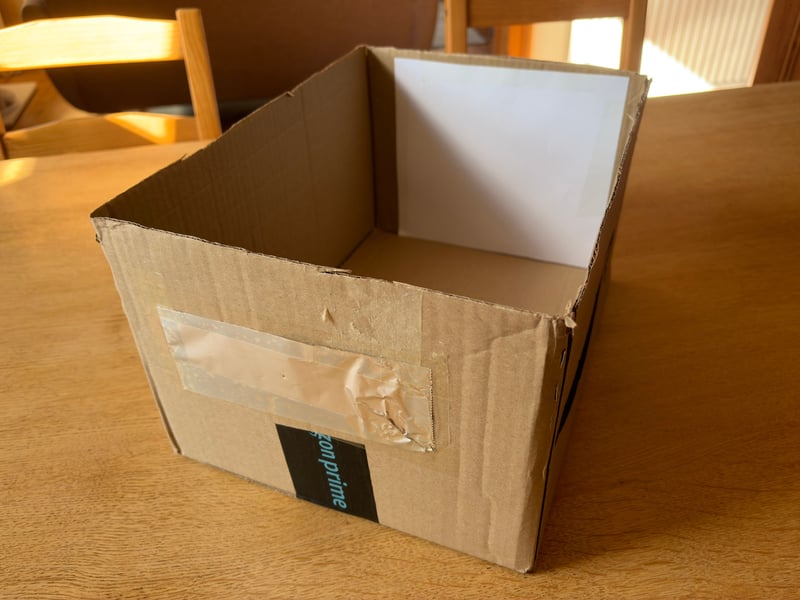
1. Here's how to make your own pinhole projector for the 2026 solar eclipse
Here's how to make your own pinhole projector for the 2026 solar eclipse. | The Scotsman

2. What you need to make the pinhole projector
To make your own pinhole projector, you will need the following: a box, paper, a pin or thumbtack, scissors, a pen, and tape. Optional items include a stanley knife or tinfoil. | The Scotsman
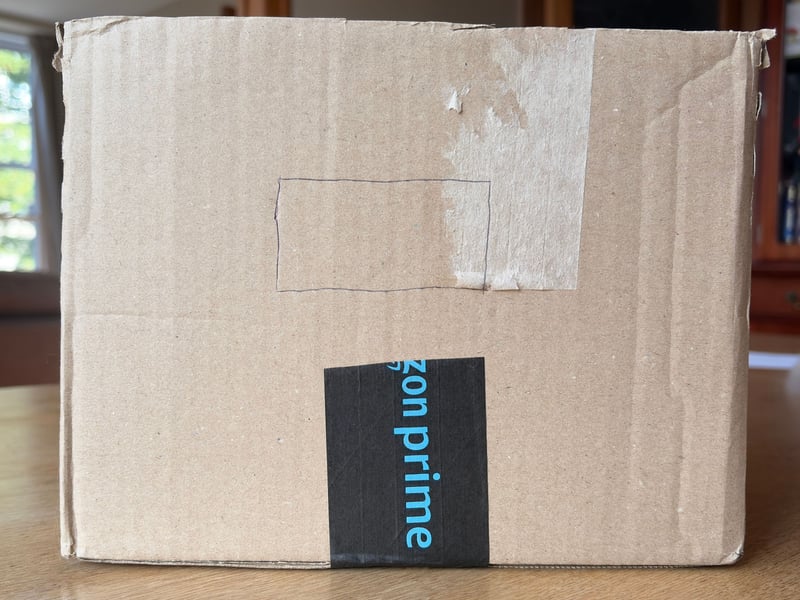
3. Step 1: Outline your viewer
Using a pen or pencil, draw a rectangle on the short side of your box — it doesn’t need to be too large. | The Scotsman
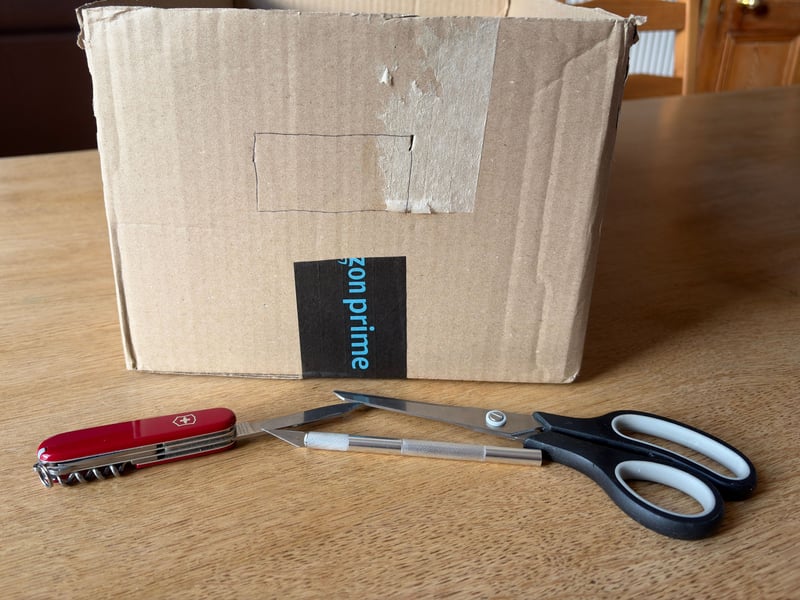
4. Step 2: Grab what you need to cut
Then you should select your tool for cutting, such as scissors, a stanley knife, craft knife or multi tool such as a Swiss Army Knife. | The Scotsman