
Wildlife Trust vows to protect habitat and nature reserve from quarrying impact
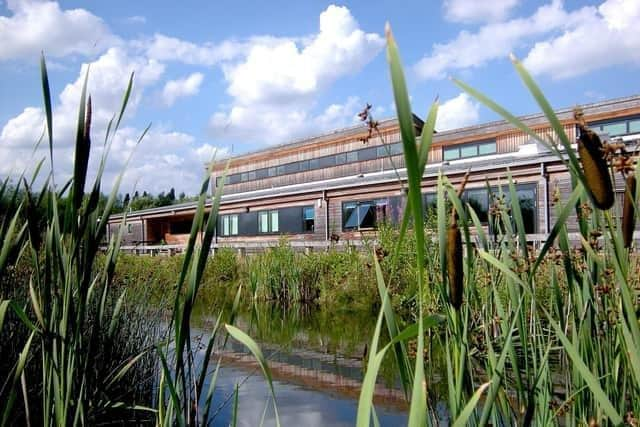
Nottinghamshire Wildlife Trust says it will continue to ensure Idle Valley Nature Reserve in Retford is not harmed by nearby plans to dig up millions of tonnes of power station waste product.
Nottinghamshire Council has approved a 25-year operation to dig up the waste product from Cottam Power Station, which was buried near the village of Lound but is now a valuable material in producing low-carbon cement.
The trust had objected to the proposals due to concerns over impact on wildlife habitats, potential impacts on a range of species due to noise, dust and light pollution and the risk of spoiling people’s quiet enjoyment of the nearby nature reserve.
However, the charity recognises that the operation may help to reduce greenhouse gas emissions and the applicants have made substantial changes to their proposals as a result of the trust’s and others’ objections.

Changes include agreement to work in ‘micro-phases’ of less than one hectare at a time to reduce noise, disturbance and dust impacts, retention of a key embankment to prevent direct damage to habitat and working the PFA ‘wet’ to reduce dust emissions and the risk of hydrogeological impacts.
The trust has also welcomes substantive changes by the applicant to the proposed restoration scheme which will now deliver a much more diverse mix of wet grassland, reedbed and shallow wetlands.
There is also a commitment to guarantee management of the new habitats for a period of 30 years.
Janice Bradley, the trust’s head of nature recovery, said: “Whilst we’re disappointed that the plans have been approved, we are pleased to have secured significant modifications in relation to how the materials will be extracted and the long-term habitat restoration plans.
“We still have real concerns, particularly in relation to impacts of dust, noise and light pollution on wildlife and disruption for our visitors, but we trust that the raft of conditions imposed by the council will provide suitable safeguards and mitigation.
"The applicants will still need to secure approval for detailed aspects such as bat-friendly lighting and a dust management plan and must secure a permit from the Environment Agency.
"We will continue to engage with planners and applicants to ensure that the impacts on wildlife and our visitors are kept to an absolute minimum and that the long-term opportunities for habitat creation are maximised.”