
Hundreds of mental health crisis calls per day in Nottinghamshire
Hundreds of NHS 111 mental health crisis calls are made every day in Nottingham and Nottinghamshire, new figures suggest.
It comes as charities across the UK celebrate World Mental Health Day this Friday, raising awareness around the importance of prioritising and investing in good mental health.
The Mental Health Foundation said mental health should be approached with the same "urgency and priority" as physical health, as it warned "too many people" cannot access the services they need.
Experimental figures from NHS England show there were 9,214 calls to NHS 111 in the Nottingham and Nottinghamshire Integrated Care Board area from people needing help for a mental health crisis or emergency in August.
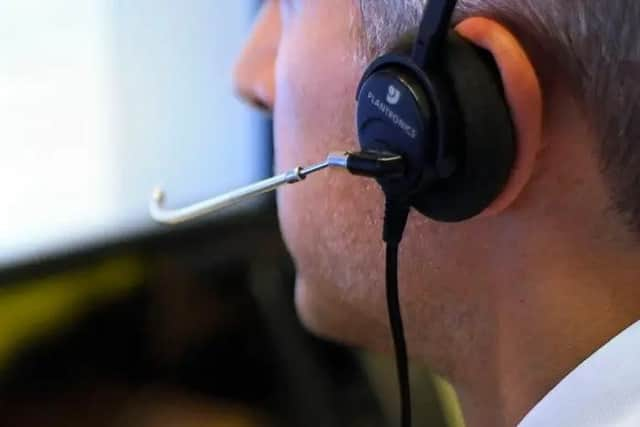

It was the equivalent of 297 calls a day.
The NHS launched the 111 "select mental health option" in April 2024, connecting callers to the local crisis mental health service.
The statistics are in development, as the NHS works with providers to improve the quality of data submitted.
Based on the figures provided for Nottingham and Nottinghamshire, 2,404 mental health 111 calls were abandoned before they could be picked up in August.
Meanwhile, the average answer time for a call to be picked up was four minutes and 38 seconds.
The figures show significant disparity in answering times across England, ranging from just 19 seconds in the south east London NHS area to 26 minutes and 31 seconds in Sussex.
Alexa Knight, director of policy and influencing at the Mental Health Foundation, said: "These response figures highlight a stark reality: there is an unacceptable disparity in access to mental health support and services across the UK.
"Too many people are not getting the mental health services they need, and this can have devastating consequences in times of crisis."
She added better crisis care pathways, more investment in community-based services, and a system that "doesn't rely on people reaching breaking point before help is available" is needed to ensure everyone can access support.
She said: "Mental health must be embedded across all areas of government policy from education and housing to employment and justice, to support people to live well and prevent poor mental health.
"We need sustained investment, dedicated funding for prevention, and a commitment to approaching mental health with the same urgency and priority as physical health."
Mind, a mental health charity, said the option to call 111 during a mental health crisis is a "step in the right direction", but warned follow-on services are needed for the support to be effective.
Gemma Byrne, the charity's policy and influencing manager, said: "It is concerning to see such variation in wait times across the country.
"When someone is experiencing a mental health crisis they need access to support as soon as possible, no matter where they live."
A Department of Health and Social Care spokesperson said the Government is taking "decisive action" to tackle the mental health crisis and regional health inequalities through its 10 Year Health Plan.
They added: "We are transforming services with an extra £688 million this year, hiring 8,500 extra mental health workers, delivering more talking therapies and providing better access to support through the NHS App."
When life is difficult, Samaritans are here – day or night, 365 days a year. You can call them for free on 116 123, email them at [email protected], or visit www.samaritans.org To find your nearest branch.